When considering outdoor furniture, one pivotal question arises: what is the best wood for durable outdoor furniture? The choices can be overwhelming. Different types of wood offer varying levels of durability, maintenance needs, and aesthetics. Cedar, teak, and eucalyptus are among the most popular options. Each has unique characteristics suited for outdoor use.
Teak stands out for its remarkable resistance to the elements. Its natural oils keep it looking fresh and protect it from water damage. Cedar, while lightweight, is also naturally resistant to decay. Yet, its durability may not match that of teak. Eucalyptus offers a budget-friendly option, but its lifespan can be shorter without proper care.
It's essential to reflect on your lifestyle and preferences when selecting wood. While some woods may require more maintenance, they offer extraordinary beauty and longevity. Understanding the differences is crucial. Making an informed choice can elevate your outdoor experience. The right wood can endure the tests of time, weathering, and use. Ultimately, the decision reflects both practicality and personal taste.
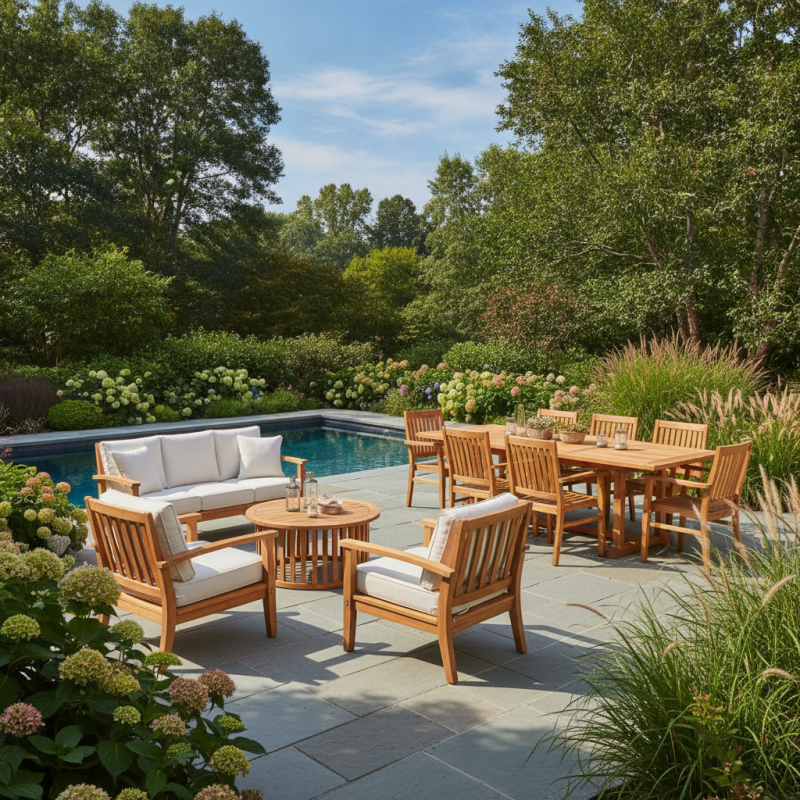
Factors to Consider When Choosing Wood for Outdoor Furniture
Choosing the right wood for outdoor furniture requires careful consideration. Different woods have unique properties that affect durability, maintenance, and aesthetics. Weather resistance is crucial. Tropical woods like teak and mahogany resist rot and insects. However, local hardwoods can be sustainable alternatives.
Tips: Investigate the wood source. Is it sustainably harvested? Wood that is certified ensures you make an eco-friendly choice. Look for local options to reduce carbon footprint as well.
Moisture levels also play a role. Woods with high natural oils stand up well to rain and moisture, but they may fade in sunlight. Treatments can enhance their durability, yet may require more frequent maintenance.
Tips: Periodically check for cracks or warping. Staying proactive extends your furniture's life. Remember, some wear can add character to the pieces, making them uniquely yours. Reflect on the balance between beauty and practicality when making your selection.
Top Types of Hardwoods for Durable Outdoor Furniture
When considering materials for durable outdoor furniture, hardwoods stand out. Teak, known for its natural oils, resists water and decay. According to the Wood Products Council, teak can last up to 50 years outdoors. It requires minimal maintenance yet retains its beauty. However, sourcing sustainable teak remains a challenge, raising ethical concerns.
Ipe, another popular choice, boasts exceptional strength and density. It is five times harder than oak. The American Wood Council notes that Ipe can withstand harsh weather and insects. Its deep brown color can fade over time, requiring occasional refinishing. While Ipe is a long-lasting option, its high cost may deter some buyers.
Balau is often overlooked but offers commendable durability. It has a similar appearance to teak and can last over 30 years. However, it may not have the same level of resistance to termites. Its affordability makes it appealing but potential buyers should weigh longevity against initial costs.
Choosing the best hardwood involves balancing cost, maintenance, and durability. Each option presents trade-offs, and understanding these can guide informed decisions.
Benefits of Using Softwoods in Outdoor Furniture Designs
Softwoods offer unique benefits for outdoor furniture designs. Pine, cedar, and redwood are popular choices. They are lightweight, making them easy to move around your patio. These woods have natural oils that help resist moisture and decay. This feature can prolong the life of outdoor furniture significantly.
Another advantage of softwoods is their cost-effectiveness. They are generally less expensive compared to hardwoods. This fact makes them accessible for various budgets. However, softwoods can require more maintenance over time. Regular sealing or painting helps prevent weather damage. Without proper care, they may warp or fade.
Durability can vary widely among softwood species. While some like cedar resist insects well, others may not be as robust. This variability can be a drawback for consumers. It's essential to choose the right type for your climate. Make sure you understand the local weather patterns. Being aware influences your choice significantly.
Maintenance Tips for Prolonging the Life of Outdoor Wooden Furniture
Outdoor wooden furniture can be an investment. Proper maintenance helps extend its life. Regular care preserves the wood's natural beauty. Start by cleaning your furniture every few months. Use mild soap and water. A soft brush can remove dirt and debris from crevices.
Applying a protective finish can prevent weather damage. Consider using a sealant or oil. This acts as a barrier against moisture and UV rays. Reapply according to the product instructions. Even the best wood needs care to avoid fading and cracking. Inspect for signs of wear after storms or heavy use.
Storing furniture during harsh weather can also help. Covering it or moving it indoors reduces exposure to elements. In summer, watch for insects. They can cause damage if not addressed quickly. These simple tips may seem small but can significantly impact longevity. Taking the time to care for your furniture rewards you with years of enjoyment.
Durability of Different Wood Types for Outdoor Furniture
Comparing Cost and Longevity of Various Wood Options for Outdoors
Choosing the right wood for outdoor furniture requires careful consideration. Different wood types offer varying costs and lifespans. Teak, for example, is renowned for its durability. It can withstand harsh weather, yet it comes with a higher price tag. Its natural oils help protect against rot and insects, making it a favorite for many.
Cedar is another popular choice. It's lightweight and has a pleasant aroma. While less expensive, cedar requires regular maintenance. Over time, it can warp or fade without proper care. This might not be ideal for everyone.
Pressure-treated pine offers an affordable alternative, but its longevity may not match that of hardwoods. It often needs replacement sooner than expected.
When evaluating wood options, consider your climate. Humidity and temperature fluctuations impact wood performance. Local environmental factors should influence your choice. Remember, while cost is important, longevity and maintenance are crucial for outdoor furniture. Being informed helps in making the best choice for your needs.
FAQS
: Consider durability, maintenance requirements, and aesthetics. Weather resistance is key for outdoor use.
Weather resistance prevents rot and insect damage. It ensures longevity in changing outdoor conditions.
Look for locally sourced hardwoods that are sustainably harvested. They often have a lower carbon footprint.
Woods with natural oils resist moisture well. However, they may fade in sunlight and require treatments.
Periodically check for cracks and warping. Staying proactive helps extend the life of your furniture.
Teak can last up to 50 years outdoors with minimal maintenance. Its natural oils protect against decay.
Ipe is extremely strong and can withstand harsh weather. It’s costly but very durable over time.
Cedar is lightweight and aromatic but requires regular maintenance. It can warp or fade without care.
Balancing cost and longevity is essential to avoid frequent replacements. Quality wood saves money in the long run.
Local humidity and temperatures affect how well wood performs outdoors. Choose wood based on your specific climate conditions.
Conclusion
When considering what is the best wood for durable outdoor furniture, several factors come into play. Important considerations include resistance to weather, durability, and maintenance requirements. Hardwoods such as teak and mahogany are often favored for their strength and longevity, while certain softwoods like cedar and pine can offer cost-effective solutions with charming aesthetics. Each type of wood has its unique benefits, and understanding these can guide consumers in making an informed choice.
In addition to selecting the right wood, proper maintenance is crucial for prolonging the life of outdoor furniture. Regular treatments with appropriate sealants can protect against moisture and UV damage. By comparing the cost and longevity of various wood options, buyers can ensure they invest wisely in furniture that will withstand the elements and remain functional and attractive over time. Ultimately, the best wood for durable outdoor furniture blends beauty, resilience, and ease of care.

 Mingkei Furniture